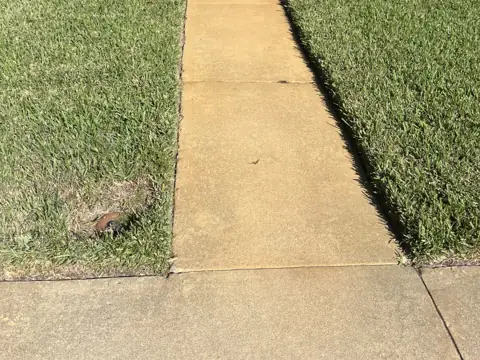
Irrigation rust can become a major appearance and maintenance issue for HOAs, communities, and professionally managed properties because staining often affects many surfaces at once. Sidewalks, curbs, fencing, buildings, signs, and common areas can all be exposed to the same iron-rich irrigation water.
Why HOA Rust Problems Get Expensive
Large properties have more irrigation zones, more overspray points, and more surface area to maintain. Cleaning the same areas over and over can become expensive if the source is never addressed.
Common HOA Surfaces We Treat
- Community sidewalks and curbs
- Vinyl and decorative fencing
- Stucco walls and building exteriors
- Pavers and entrances
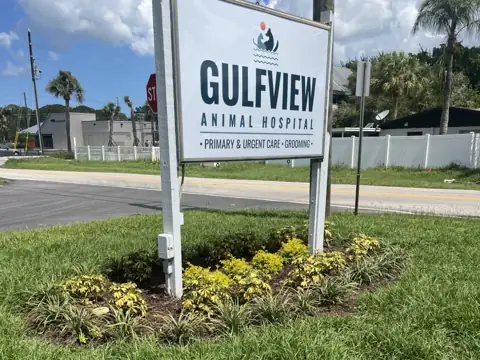
- Signs, mailboxes, and monuments
- Driveways and parking-area edges
Removal First, Prevention Second
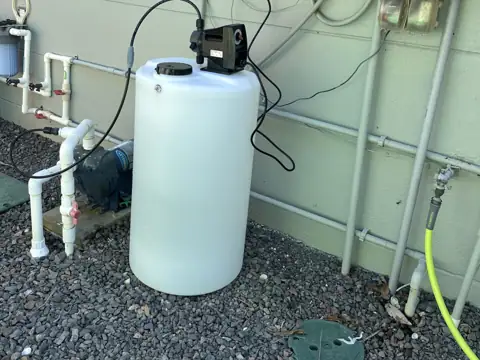
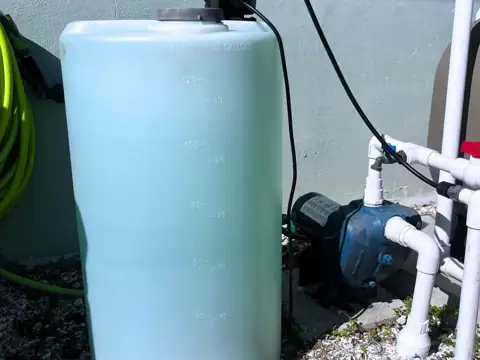
Existing staining is handled with professional irrigation rust removal. If iron-rich irrigation water is still active, an automatic prevention system can then help reduce recurring stains.
Why Irrigation Data Matters
For larger properties, system sizing should account for watering schedules, runtime, flow, and the amount of treatment required. Commercial-scale prevention works best when it is based on the actual irrigation system rather than a residential guess.
Ongoing Maintenance
Refills and system checks are an important part of long-term rust control. Property managers benefit from a predictable service schedule rather than discovering the tank is empty after staining has already returned.
Handling resident complaints about rust stains
Rust complaints tend to arrive in waves: after a pressure-washing cycle fades, after new landscaping goes in, or when a resident’s white fence starts turning orange from common-area heads. A few practices help boards and managers respond without starting over every time:
- Find the source first. Is the staining from community irrigation, a homeowner’s own well, or a neighbor’s system? That decides who is responsible.
- Document it. Photos of the staining and the heads causing it make board discussions and vendor scopes easier.
- Fix the heads that spray fences, walls and sidewalks, which is quick and inexpensive.
- Budget removal and prevention together so the community is not paying for the same cleaning every year.
- Communicate the plan. Residents are more patient when they know when their section will be cleaned and that prevention is in place.
During drought restrictions, water shortage orders can also limit what an association may require. In 2026, the Southwest Florida Water Management District’s order barred HOAs from enforcing standards that would increase water use, including pressure washing. Check the current rules before scheduling cleaning. For sidewalks and curbs specifically, see sidewalk and curb rust removal; for long-term budgeting, see long-term rust control plans.
Tampa Bay HOA Rust Control
Rust Busters works with HOAs, communities, property managers, and commercial properties throughout Tampa Bay. Contact us for a property assessment and estimate.